
How To Give Your Car A Safety Check At Home
A step-by-step guide to keeping on top of your cars maintenance at home.
- Park your car on a flat surface and wait for the engine to cool down after driving.
- Inspect your tyres for damage, check their pressure, and use a 20p to check their tread depth.
- Inspect your battery for corrosion and use a multimeter to measure voltage levels.
- Monitor brake pad thickness, listen for squeaking noises, and feel for sponginess on the brake pedal.
- Check your oil, screenwash, and coolant levels and top up as necessary.
- Check your mirrors, car lights, and other essentials such as windscreen condition, wipers, and cab conditions.
- Rely on the experts for more sophisticated checks and proper diagnoses.
Did you know that you could be fined up to £2,500 if your vehicle is in a dangerous condition?
The law states that you’re responsible for making sure your vehicle is always safe to drive, so knowing how to keep your car roadworthy is crucial if you are to avoid fines and points. Even if you have an valid MOT certificate, your vehicle can still be deemed unsafe to drive, possibly landing you with a driving ban or 3 points on your license.
Performing regular checks on your vehicle’s core components and developing good maintenance habits can help ensure that your car keeps functioning safely. To help you, the Kwik Fit team have compiled a list of crucial vehicle safety checks that you can do yourself.
How often should you have a vehicle safety check?
For total peace of mind that your car is roadworthy, you should carry out vehicle safety checks on at least a monthly basis. If you check your car’s essentials every week or so, you’ll always be on top of any necessary monitoring and maintenance.
If you’re not confident carrying out mechanical inspections yourself, the larger-scale vehicle safety checks can be done by an expert like Kwik Fit.
Do you need to check your car every time you drive?
The law states that you are responsible for ensuring your car is safe every time you drive it. As such, the UK Government recommends checking vitals like the windscreen, headlights, and brakes, every time you drive. For other essentials like fluids, battery, and tyres, you should check these in line with the recommended frequency in your vehicle handbook.
How to check the safety of a car yourself
Park your vehicle on a flat surface and, if you’ve recently driven the car, ensure the engine has cooled down before you begin. Moving through the checklists below, inspect your tyres, battery, brakes, fluids, mirrors, lights, and other minor things to ensure your car is road-worthy and safe.
Checking your tyres at home
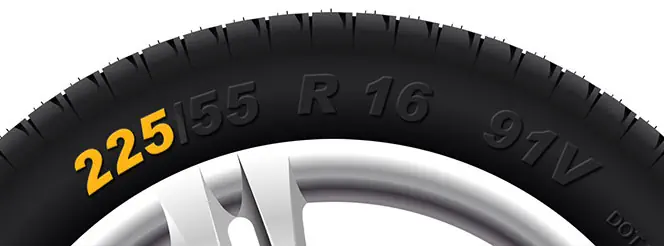
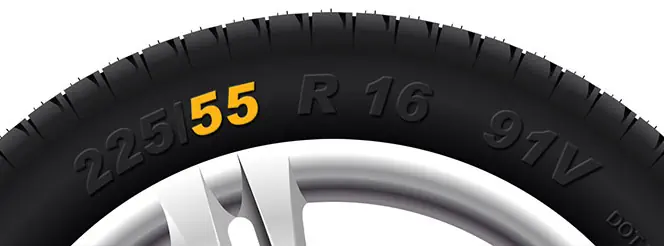
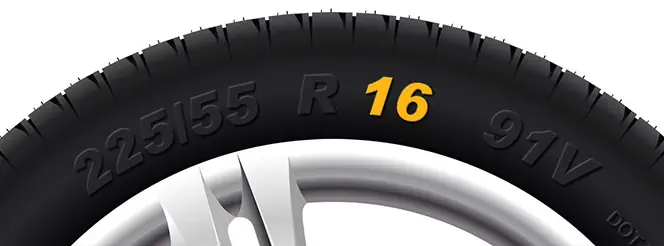
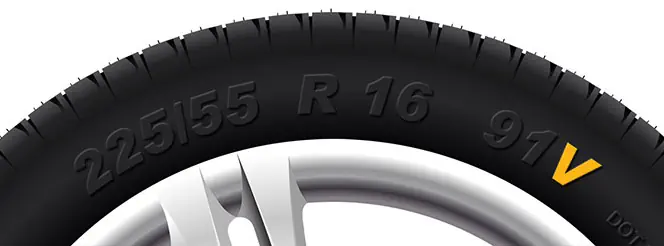
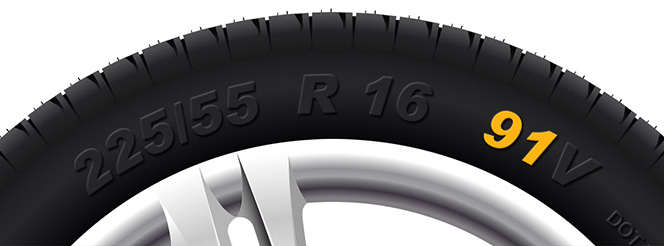
We recommend checking your tyres once a week or before any long journeys to ensure safety and control of your vehicle. Please see our looking after your tyres page for full details. If you're unsure of what your tyre pressures should be, you can find out here.
- Check your tyres are inflated to the correct pressure.
- Check your tyres for damage and signs of excessive wear.
- Make sure your tread depth is above the legal minimum of 1.6mm using the 20p test.
How to check your battery
Your car’s battery may go flat during the winter or if left unused for long periods of time. To check your car’s battery health yourself, you’ll need a multimeter (and plenty of patience). You should also visually inspect the battery terminals for signs of corrosion. Our full guide to checking battery health at home will walk you through the steps one by one.
Check your brakes yourself
Brakes are prone to corrosion over time, not to mention the brake pads wearing down with extended use. If you notice this or any other common braking problems occurring, then you may need to have your brakes checked to ensure safety.
It is possible to keep an eye on your brakes at home by checking the brake pad thickness, listening for grinding or squeaking noises, feeling sponginess, and monitoring the brake dash warning light.
How to check your car's fluids
Make sure your car’s fluids are topped up to avoid overheating issues and ensure optimal performance.
- Engine oil: Lift your bonnet, locate your dipstick, wipe the dipstick clean, insert it into the oil reservoir fully, pull the dipstick out, and check the oil level against the minimum and maximum values given on the stick. Top up as necessary.
- Coolant: Locate your coolant reservoir (this is often transparent so you can see in). Check the coolant level is between the minimum and maximum levels in the tube, or top up if not.
- Screenwash: Locate the screenwash reservoir (usually bright blue or yellow with a windscreen wiper icon) and top up the fluid as necessary.
Check your car's mirrors
Every time you drive, you should briefly check your mirror to make sure they are not cracked or dirty, and that they’re in the right position, adjusted to your height and preferences. This is a 30-second task.
Check your car's lights
Park on a flat surface and visually inspect your lights as you move around your vehicle. Then (and you may need a friend for this), turn your lights on one by one and get them to confirm they are working. Do this for:
- Main beam headlights
- Dipped headlights
- Indicators
- Brake lights
- Fog lights
- Rear lights
- License plate lights.
It is possible to do this alone if you park your car near a surface like a wall or an outbuilding that will reflect the light back to you so you can see they all work.

Other safety checks you can do yourself
The following miscellaneous car checks are ones you can easily carry out at home on a regular basis to ensure your car is still adhering to road safety standards:
- Windshield - Inspect your windshield to look out for cracks or any smears that may limit your visibility.
- Wiper blades - Make sure your wiper blades are in good working order and not cracked or smearing your windscreen.
- Leaks - Check that no fluids have leaked by keeping an eye on the ground under your regular parking space.
- Loose or unsafe parts - Regularly check that there is nothing hanging down underneath your car.
- Cabin conditions - Regularly give your cabin a clean to clear it from any litter or debris that may distract you or get into your footwell. (We’ve got a complete guide to cleaning your car if you need it).
Ask us for complex safety checks...
While knowing your way around your car and being able to carry out your own safety checks is essential, a professional technician can offer unparalleled advice and more in-depth inspections.
If you suspect you have a more complex issue with your car, or you know that a more technical component needs a check, consider booking any of the following at Kwik Fit:
Get the experts to double check
Although the above checks will help to keep your vehicle in working order as much as possible, there will still be times for some drivers when professional help is required to keep your car running.
Contact your local Kwik Fit for expert advice on all car components and safety features. Or, bring your car into your nearest centre for a quick fix.