
How To Correctly Dispose Of Used Engine Oil
The 7-step guide to getting rid of used engine oil.
- Check your oil needs a change by examining its colour and viscosity, checking the engine light, or consulting the owner’s manual.
- Carry out your oil change with extreme caution, as engine oil is a hazardous substance.
- Never pour old engine oil down the drain, onto the ground, or into the bin, as this is illegal and harmful.
- Store your old, dirty engine oil in a leak-proof container free from chemical contaminants.
- Locate an oil recycling bank near you using the Recycle Now website.
- Safely transport your engine oil to the recycling bank and dispose of it.
- Alternatively, pay a professional to carry out your oil change and dispose of your oil responsibly.
Wondering what the correct method for disposing of engine oil is? You might not usually pay much attention to the oil in your car, but engine oil plays an essential role in keeping you on the roads by lubricating the moving parts in the engine to cool, clean, and protect them.
However useful, though, waste engine oil is also considered a hazardous substance and needs to be disposed of properly - to avoid posing a threat to the environment and human health.
Keep reading for top tips to help you identify when the oil in your car needs to be replaced, and for advice on how to dispose of this liquid correctly and safely.
Why you should dispose of your engine oil correctly
Over time, your car’s engine oil picks up dirt and its chemical composition changes, making it less effective at performing its role. So, you should regularly check your oil and replace it whenever necessary (scroll down further for more on knowing when your oil needs changing).
Once swapped out, your old, dirty oil should be disposed of responsibly, meaning taken to a designated disposal centre and never just poured away - and here’s why:
- Improperly disposed of oil can contaminate water sources with its toxic contaminants, potentially harming wildlife and threatening human health.
- Pouring away oil removes it from the recycling process, which works hard to conserve resources, reduce waste, and save energy.
- If oil is simply poured away, it can seep into the ground, potentially contaminating groundwater or drinking water supplies.
- In some places, it is illegal to pour away engine oil.
Is it illegal to put car oil in the bin?
Yes, putting car oil into the general household waste bin is illegal, since it is a hazardous substance. Whatever you do, don’t be tempted to simply put your oil in a bin, skip, or pour your oil onto the ground or down the drain. If you do this, you’re not only polluting the environment, you’re also breaking the law - and are at risk of being prosecuted.
Changing your oil yourself
Most people get specialist technicians to change their engine oil, but if you prefer to get stuck in and do these types of vehicle maintenance tasks yourself, it’s important that you know what you’re doing. This liquid can be dangerous and polluting if it’s not handled correctly, so make sure you take extra care when doing this and have all the relevant equipment to hand.
How to dispose of old, used engine oil
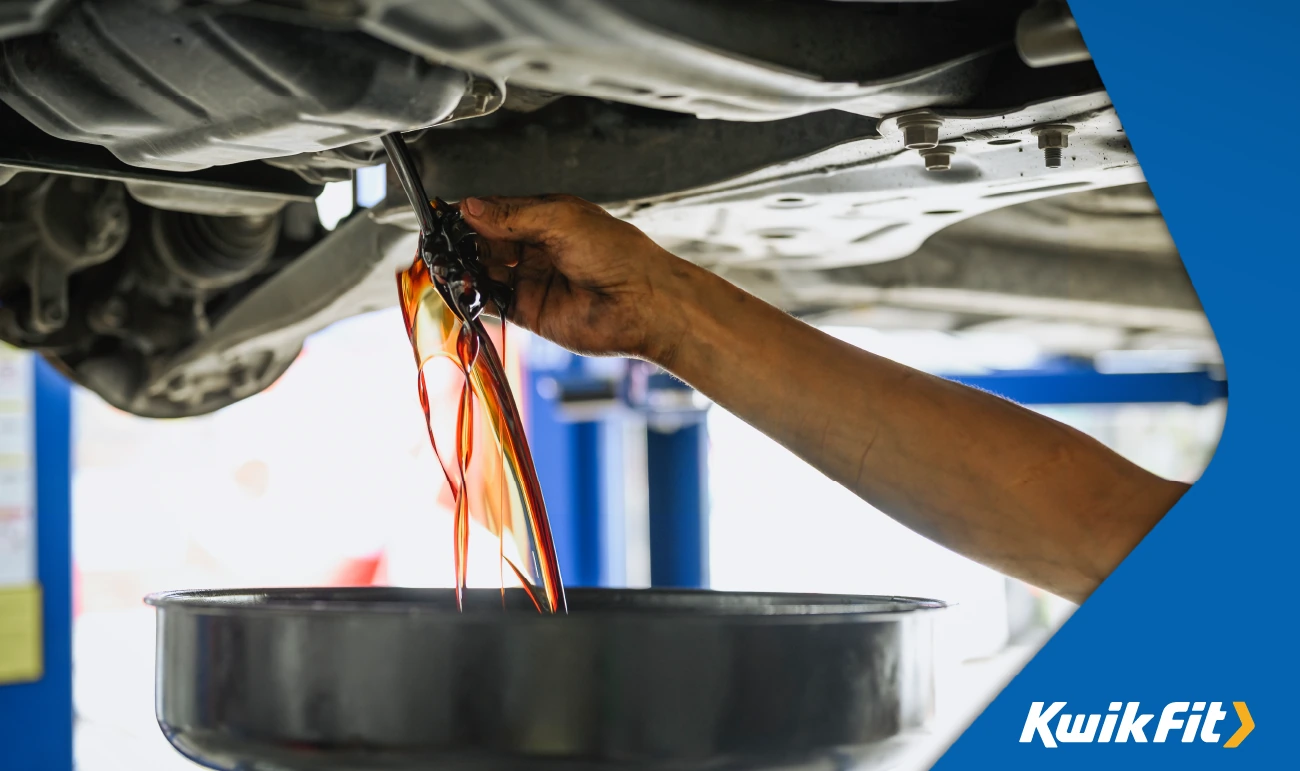
Now, to get rid of that motor oil. Use the following tips to make sure your waste engine oil is handled with care before disposal and contamination risks are minimised:
- You should ensure you have an oil spill kit on standby before you drain the old oil from your engine. You can buy this equipment online, from DIY chains or from car part suppliers. You’ll also need a purpose-made sump canister or a drip tray to hold the oil safely as you drain it.
- It’s vital that you store your used oil in a suitable plastic or metal container until you’re able to dispose of it. The container you use must have a lid that you can fasten securely to prevent any spills when you’re transporting it.
- Ensure you don’t mix the oil with household chemicals or other automotive fluids, and avoid using containers that have previously stored these substances.
Once your waste engine oil is secured in a leak-proof, non-cross-contaminated container, you need to safely transport it to an oil bank near you.
Find your local car oil recycling bank
To dispose of your oil legally and safely, you’ll need to find your local oil bank. You can use the Recycle Now webpage to find engine oil recycling centres near you. This website also helps you locate safe places to recycle your:
Transport your old engine oil to the disposal point safely, avoiding leaks at all costs. Once there, follow the specific instructions given by your local authority on how to safely hand over your old oil for safe disposal.
When should I change my engine oil?
Contrary to popular belief, simply checking the level of oil on the dipstick isn’t enough to know if your oil needs changing. It doesn’t provide information about the foreign particles and dirt that may have accumulated in the oil, nor does it indicate if its chemical makeup has degraded.
In order to assess the condition of the oil, you need to check its colour and general appearance.
- New oil is light brown and transparent and looks like maple syrup.
Over time, as it’s used, your car’s engine oil begins to change: it gets darker, and slowly becomes thicker and turns opaque.
- Oil that’s been used for thousands of miles tends to be black and much more viscous, eventually taking on a tar-like appearance. If your oil looks like this, the chances are it’s time to change it.
If you’re prepared to get your hands dirty, you can also check its consistency. Take a small amount of oil from the end of the dipstick and simply rub it between your fingers. If you notice any grit, this is another sign that it may need to be replaced.
1. Manufacturer recommendations
It’s also possible to see if you need an oil change without even opening the bonnet. Your car manual will outline the number of miles you can drive before changing your oil, so a straightforward calculation should help you to decide if you need to take action.
Vehicle manufacturers used to advise drivers to change the oil every 3,000 miles, but thanks to improvements in the lubricants now used in cars, this figure is usually much higher. Furthermore, we recommend checking once a month or before long- distance journeys.
2. Warning lights for oil changes
Also, lots of modern cars keep track of scheduled oil changes themselves. If your vehicle does this, a warning light will appear on your dashboard when your next change is due. Find out more about dashboard warning lights in another of our blogs.
3. Signs your engine oil needs changing
There are also tell-tale signs to watch out for that could suggest your car needs new oil. For example, if your oil level keeps dropping, this may suggest you have a leak or that your oil is losing its lubricating properties, and your engine is therefore using more of it to keep running smoothly.
In addition, if your engine starts to sound louder than usual, this is another hint that something could be amiss with your oil. Increased noise can be a sign that the moving parts in your engine are grinding against each other, potentially causing damage.
4. Ask the experts at Kwik Fit
If you’re not sure if your engine oil needs to be replaced, get an expert to check it out. When it comes to keeping your engine running smoothly, there’s no room for taking risks. If you leave it too long between changes, you could do serious damage to your car and land yourself with a big bill.
Find out more on this in ‘Six Ways To Tell Your Engine Oil Needs Changing’. For expert advice, you can call in to your nearest Kwik Fit centre for a free oil check.
Simple oil change & disposal at Kwik Fit
If you’re not sure whether your car needs new oil, or you don’t fancy the job of changing your oil yourself, don’t hesitate to get in touch with the team at Kwik Fit.
Our oil and filter change package includes an oil and filter change, as well as a range of other important car safety checks. This could be ideal if you want to ensure your engine’s running smoothly, but you don’t want to arrange a full service.
For a quick and easy oil change and guaranteed safe disposal of your oil, book an oil and filter change at Kwik Fit.