
A Commuter’s Guide To Cycling to Work
Jessica Bird | Saturday 24th January 2026 9:55am
Switching your commute from four wheels to two can feel like a big leap. But cycling to work is one of those changes that can pay you back almost immediately: more freedom, less stress, cheaper travel, and a daily dose of fresh air before you even log on for the day – at least when it’s not raining.
But this transition can come with a few potentially daunting things to decide – so where do you start?
Why swap your commute for a bike?
Let’s start with the obvious question: why do it?
It’s worth addressing from the outset that the wheel-swap has to make sense for your actual commute. For most people, the upper limit of a cycle commute is usually around 30-45 minutes, and it makes considerably more sense in cities and towns that offer a bit of cycle-friendly infrastructure.
For many commuters, cycling is a pleasant combination of speed and simplicity. In busy towns and cities, a bike can often beat a car door-to-door, especially once you factor in traffic, parking, and delays. It’s also far more predictable than public transport insofar as you’re never having to deal with last-minute cancellations or mystery delays.
Add in the health benefits, lower costs, and reduced environmental impact, and it’s easy to see why more people are choosing to cycle to work at least a few days a week. What’s more, with the growth in popularity of electric bikes, it also doesn’t have to be so physically taxing.
Planning your cycle route
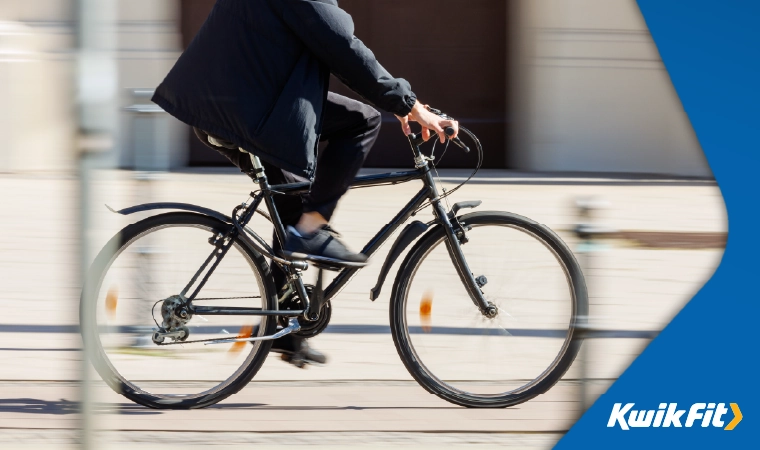
One of the biggest barriers to cycling is worrying about the route. But the good news is that your cycle commute doesn’t have to mirror your driving route.
When planning your journey, look for quieter roads, dedicated cycle lanes, traffic-free paths, and possible shortcuts through things like parks where possible. A slightly longer route that feels calmer and safer is often more enjoyable than the shortest option on a busy main road – and there may only be a couple of minutes’ difference in it.
Something that’s really worth emphasising here, especially if you’re getting on a bike for the first time in a while, is that it’s well worth doing a test ride at the weekend or outside of rush hour. There are few things worse than turning up for that important meeting dripping with sweat and out of breath because you failed to account for the new commute.
Instead, give yourself plenty of time to do the route without any time pressure. Get familiar with junctions and tricky sections, work out how long the ride really takes, and keep an eye out for places where you might want lights or better visibility.
Keep in mind that your route on day one isn’t likely to be your route forever. Over time, you’ll naturally refine your route as your confidence (and maybe even your fitness) grows.
What to wear (and what to pack)
You don’t need to dress like a professional cyclist to commute by bike. For most people, comfort and practicality matter far more than impressive-looking lycra.
If your ride is short, everyday clothes are usually fine. Stretchy fabrics and breathable layers make life easier, and darker colours are more forgiving if the weather turns. For longer or hillier rides, you might prefer to cycle in activewear and change at work.
A few commuter essentials worth considering:
- A lightweight waterproof jacket – even on dry days
- Gloves for cold mornings and better grip
- A small backpack or pannier to keep weight off your shoulders
- Spare socks or a base layer at work, just in case
The goal is to arrive feeling comfortable, not exhausted. It’s worth allowing to arrive at work a good 15 minutes or so before you’re due to start, so that you have plenty of time to cool down and/or change.
Saving time on your commute
One of the biggest surprises new cyclists report is how much time they save. This might not be in the first few days of cycling, but will almost definitely become apparent as you get into the swing of it.
To keep things efficient:
- Lay out your clothes and pack your bag the night before
- Keep essentials (lock, lights, keys) together so nothing gets forgotten
- Stick to a steady, comfortable pace rather than racing the clock
Especially after the first few trips, cycling doesn’t have to mean breaking a sweat. A relaxed, consistent speed often gets you there just as fast (give or take a couple of minutes) as rushing. Plus, you tend to feel considerably calmer after a relaxed cycle.
Keeping your bike secure at work
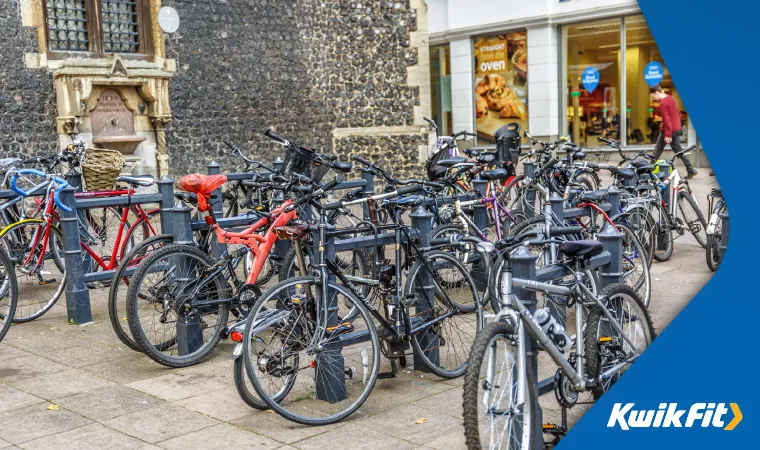
Knowing your bike is safe while you work makes all the difference.
If your workplace has dedicated cycle storage, use it. If not, look for a well-lit, visible area where your bike can be locked securely. Always lock the frame (not just a wheel) to a solid object, and consider using two locks for extra peace of mind – especially if you’ve invested in a valuable electric and/or road bike.
At work, storing your helmet and accessories neatly (such as under your desk or in a locker) also helps keep your day organised and stress-free.
Building a habit
If cycling every day feels daunting, start small. One or two days a week is more than enough to build confidence and routine. You might also choose to mix cycling with public transport, or drive part-way and ride the rest. Flexibility is one of cycling’s biggest strengths – there’s no single ‘right’ way to do it.
Before long, you may find that cycling to work is actually one of the best parts of the day, rather than just a commute.
Looking after your bike
Like a well-serviced car, a well-maintained bike is safer, faster, and far more enjoyable to ride.
Now, this isn’t something you need to be particularly concerned about in your first week of cycle commuting, but it’ll pay dividends to start doing simple maintenance tasks as soon as you’re comfortable. That’s because regular checks on your tyres, brakes, and chain can prevent small issues from turning into big problems.
If your commute is daily, even quick weekly checks make a noticeable difference, and help to avoid you ever being late for work due to a popped tyre or broken chain.
If you need help with maintenance and servicing, we’ve partnered with national bike experts Fettle to offer professional bicycle servicing right in our centres. So it’s now significantly easier to fit bike maintenance into your weekly routine – just like you’d fit maintenance in with a car! Find your nearest Fettle centre here.


Any facts, figures and prices shown in our blog articles are correct at time of publication.
Featured Articles
Is it Illegal to Drive With One Headlight?
Saturday 19th July 2025

Wondering if it’s illegal to drive with one headlight? Learn about the safety risks and penalties of illegal blown bulbs and why you should fix them promptly.
Air Con in EVs & Hybrids: Experts Answer Your Questions
Monday 30th June 2025

Does air con drain EV batteries? Can you use the air con while charging an electric car? Find out the answers to these questions & more from Kwik Fit’s experts.
Why Is Your Car Making a Noise? Fixes & Tips
Friday 13th June 2025

When your car starts making unexpected noises, it can certainly be quite disconcerting; it may be nothing to worry about, but here’s what you need to know.